
LOADING VALMAUK
A reference to the standard community callouts on four core Valorant maps: Ascent, Bind, Haven and Split. Learn the names every teammate already uses, where each position sits, and the layout quirks that make each map play the way it does.
By Mauk HK
Callouts are the shared language of a Valorant team. "One A main, one rotating tree" turns chaos into a clean read; "guys he's over there somewhere" gets your teammate killed. The standard callout set for the competitive map pool is stable and widely used across ranked, premier and the pro scene, so learning it once pays off forever. This guide covers four staple maps: Ascent, Bind, Haven and Split, with the layout of each, the key callouts with brief location notes, and a quick reference per map.
The goal is not to teach every lineup or execute, but to make sure that when someone calls "he's in heaven" or "rotate through garage" you know exactly where to look. Every name below is the community-standard term you will hear in-game.
Format your calls as LOCATION, then count, then action: "A main, two, pushing." Front-loading the place lets teammates swing their crosshair to the right spot while you finish the sentence.
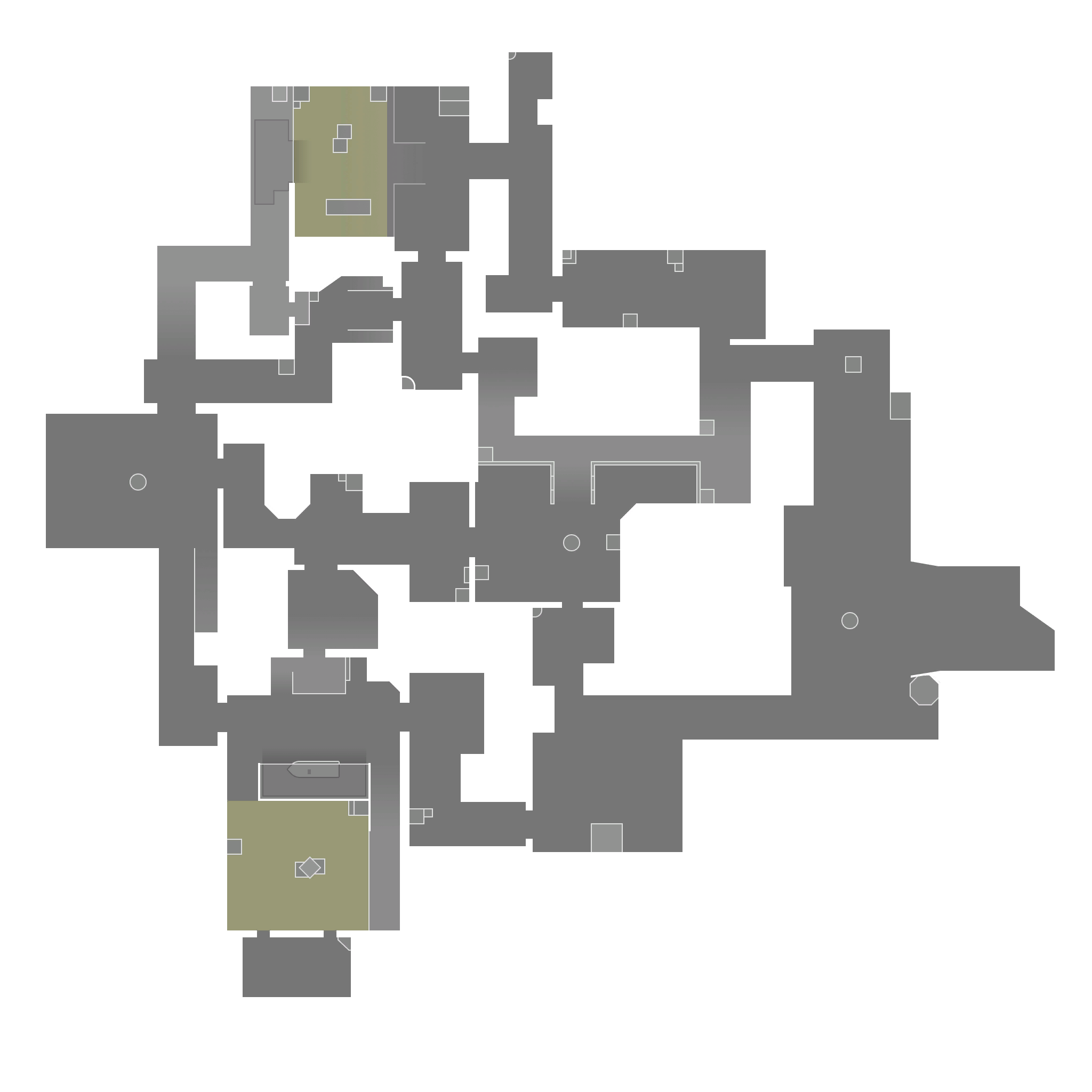
Ascent is the classic two-site map with a huge, hotly-contested mid that connects to both bombsites. Attackers push A through A main or fight for mid control via catwalk and market; B is reached through B main and the mid lane. Defenders hold elevated spots (heaven over A, the market window into B) and the central courtyard is the pivot the whole map rotates around. Two destructible doors (the switches) let defenders briefly seal off mid access, making mid control a constant tug-of-war.
| Callout | Side | Location |
|---|---|---|
| A main | A | Primary attacker entrance into A site |
| Generator | A | Plant structure on A site |
| Heaven / Hell | A | Elevated hold above / space beneath it |
| Tree / Wine | A | Off-angle planter / cubby near A main |
| Mid / Catwalk / Market | Mid | Central area, raised walkway, room into B |
| B main / Lane | B | Bottom-lane push and long corridor to B |
| B site | B | East-side bomb plant area |
Bind is the no-mid, two-lane map defined by its teleporters. There is no central corridor. Attackers commit fully to A or B, and the two one-way teleporters let either team flank fast: one near A takes you to B short, the other in B long takes you to A lobby. That makes Bind a map of hard commits and surprise rotations. A is reached through A short and A lobby/long via showers (bath); B through B long and B short past hookah.
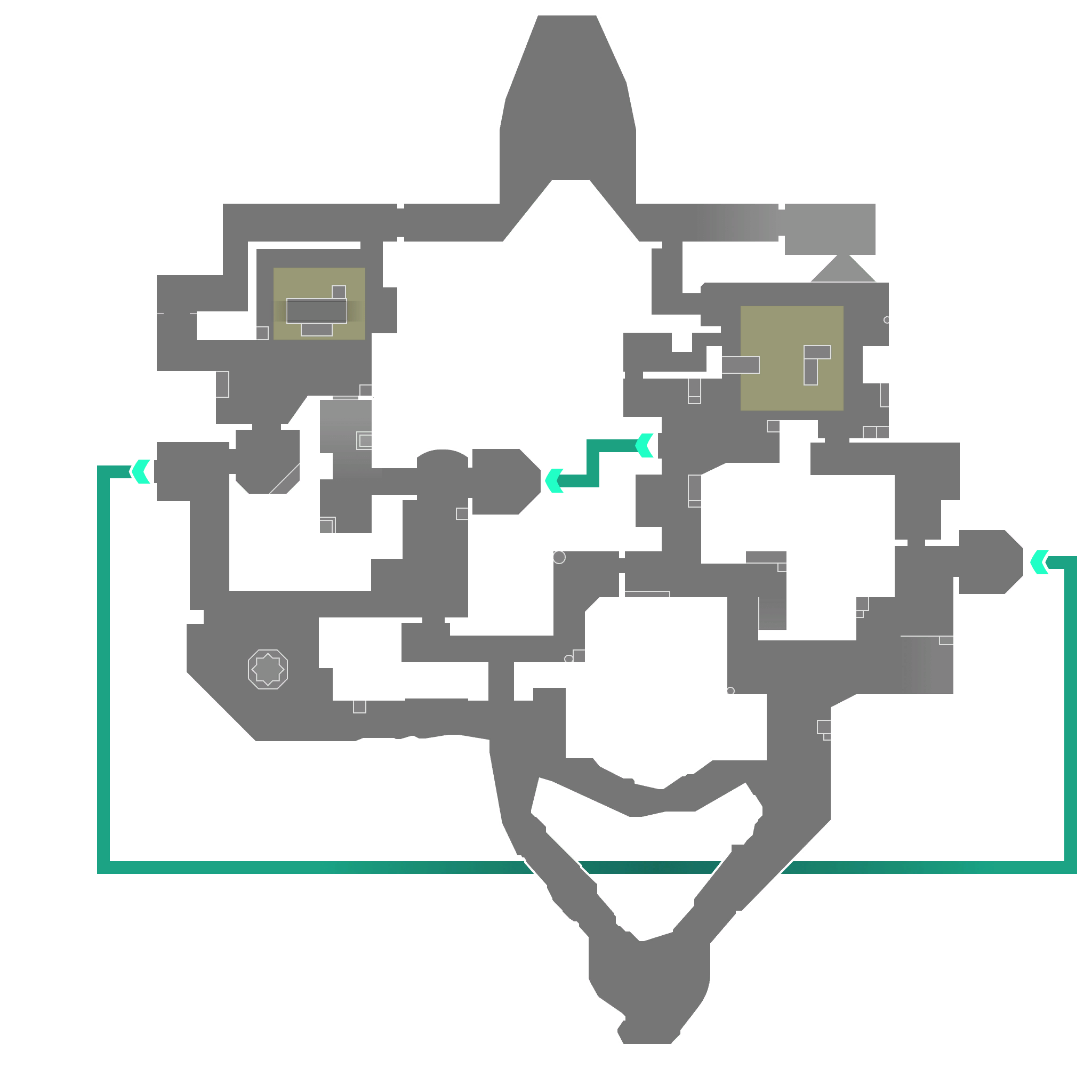
On Bind, always announce a teleporter the instant you hear or use one, "TP B to A short," because a flank can come from the opposite side of the map in a heartbeat. Teleporters make a loud sound when used, so a teammate calling the cue is free information.
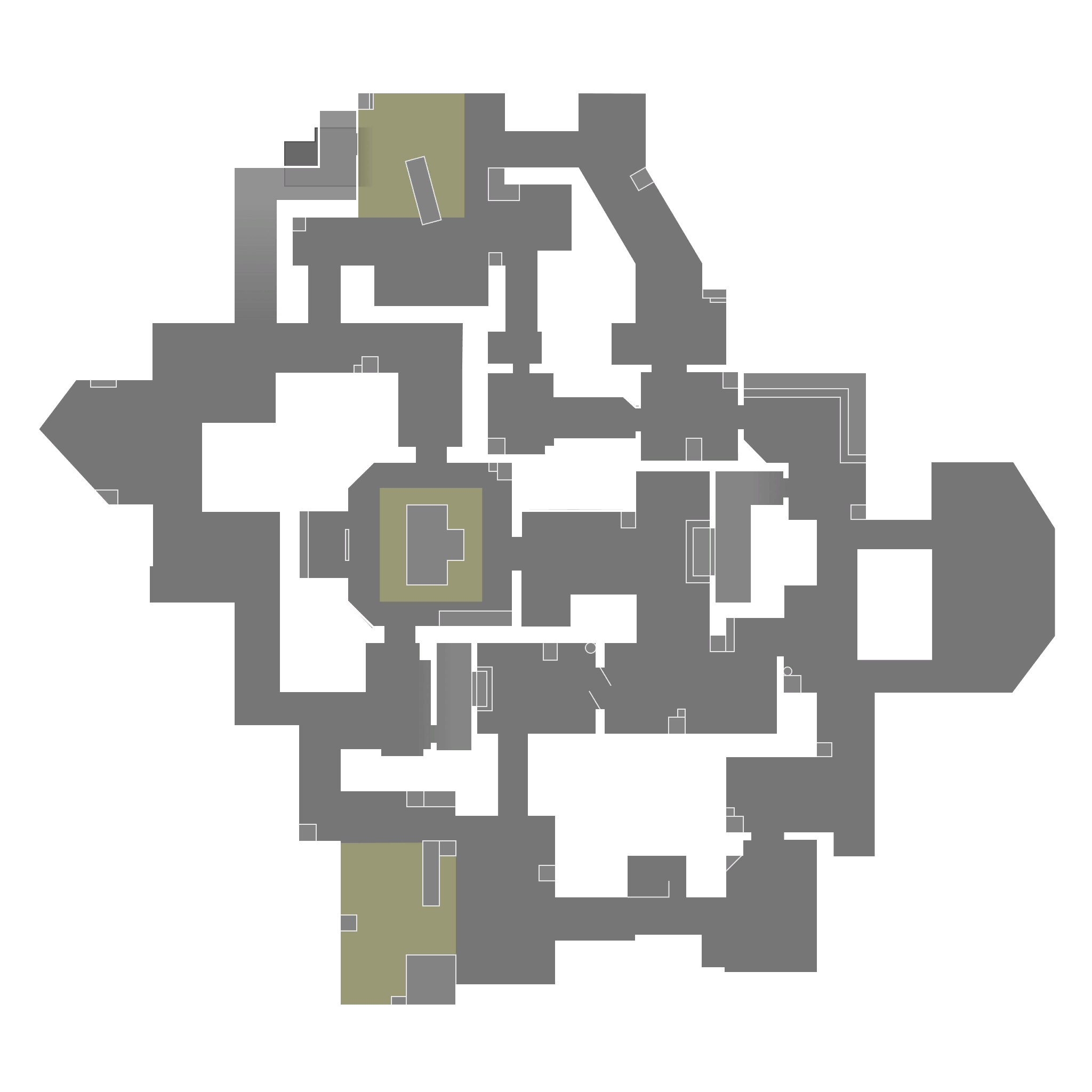
Haven is the only three-site map: A, B and C, which stretches the defense thin and makes rotations the central skill. A and C sit at the ends with long corridors; B sits in the middle, fed by mid and a window overlooking the courtyard. Because there are three sites and only five defenders, fast information and quick rotations through garage and the link areas decide most rounds. Attackers love to split pressure across two sites to pull defenders out of position.
| Callout | Site | Location |
|---|---|---|
| A long / A short | A | Long corridor / tighter path (via sewer) into A |
| Sewer | A-Mid | Lower route linking mid to A short |
| Garage | B/C | Rotational room between the B and C sides |
| Mid / Mid window / Courtyard | Mid | Central area, elevated window, open floor below |
| C long / C link | C | Long approach and connector back to garage |
| C site | C | Far-end plant where defenders anchor |
| B site | B | Compact central site reached via mid |
Split is a vertical, mid-centric map split down the middle by a raised mid that towers over both sites. Control of mid (and the heaven/tower platforms above each site) is everything. From mid you can rotate quickly to either A or B through the ropes and vents. Attackers either commit to A main or B main, or fight to break mid and split a site from two directions. Defenders use the elevated heaven positions to hold long sightlines, which makes Split notoriously defender-friendly without good utility.
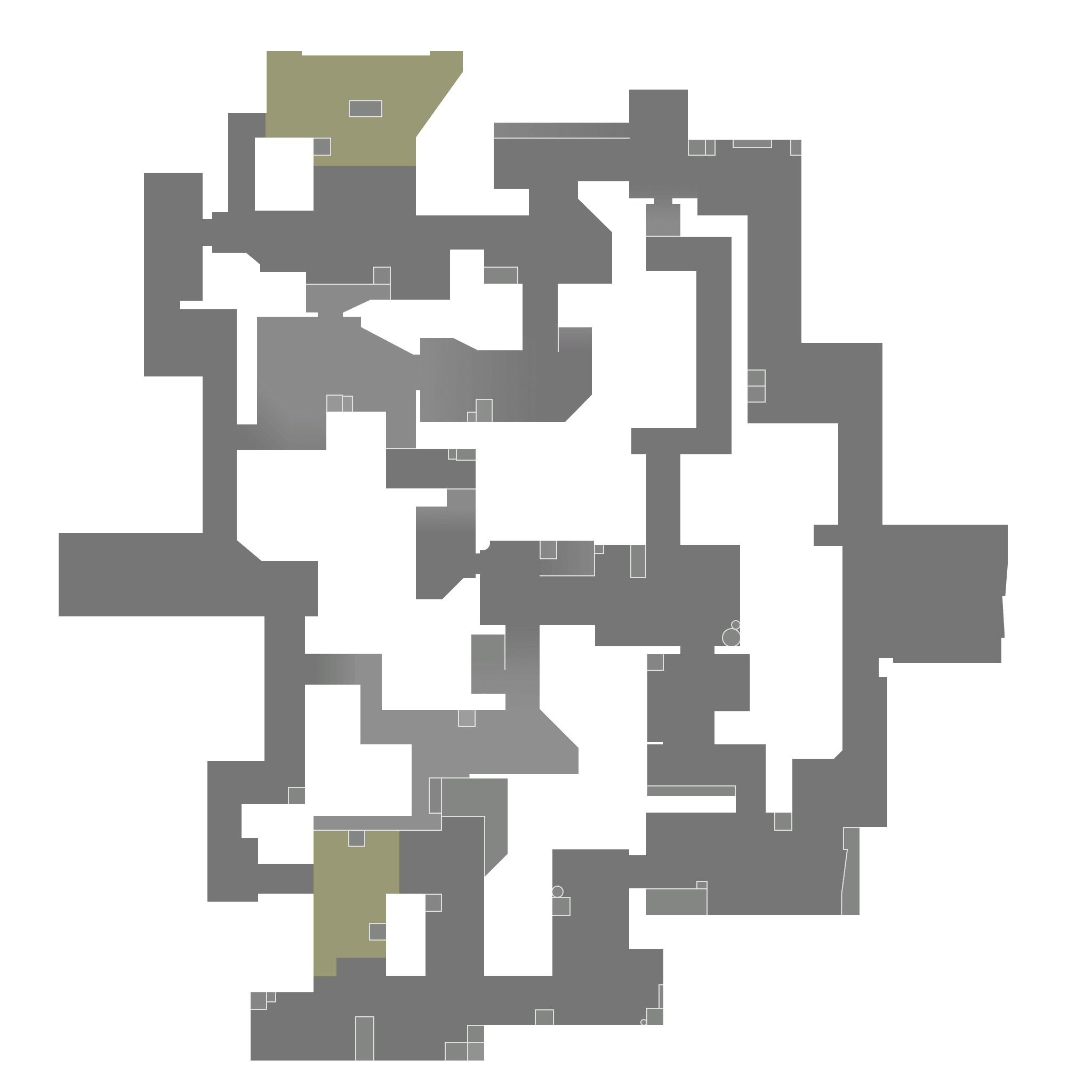
On Split, "heaven" is ambiguous because both A and B have an elevated tower platform. Always specify the site: "A heaven" or "B tower." A naked "heaven" call wastes the half-second your teammate spends asking which one.
Memorise these four maps and you have the vocabulary for a huge share of your ranked games. The fastest way to lock callouts in is to use them out loud in Deathmatch and unrated even when you do not strictly need to, "clearing A main, going heaven," so the names become reflex before they ever matter in a clutch. Precise, front-loaded calls are one of the cheapest rank-ups in the game.